

Pool Solar Heating Specialist
PV 4 Iwi - Ngati Maru resilience deployment hub, PV panel array, battery and modular proposal
PV 4 Iwi - Ngati Maru resilience deployment hub, PV panel array, battery and modular proposal
Couldn't load pickup availability
Ngati Maru resilience proposal
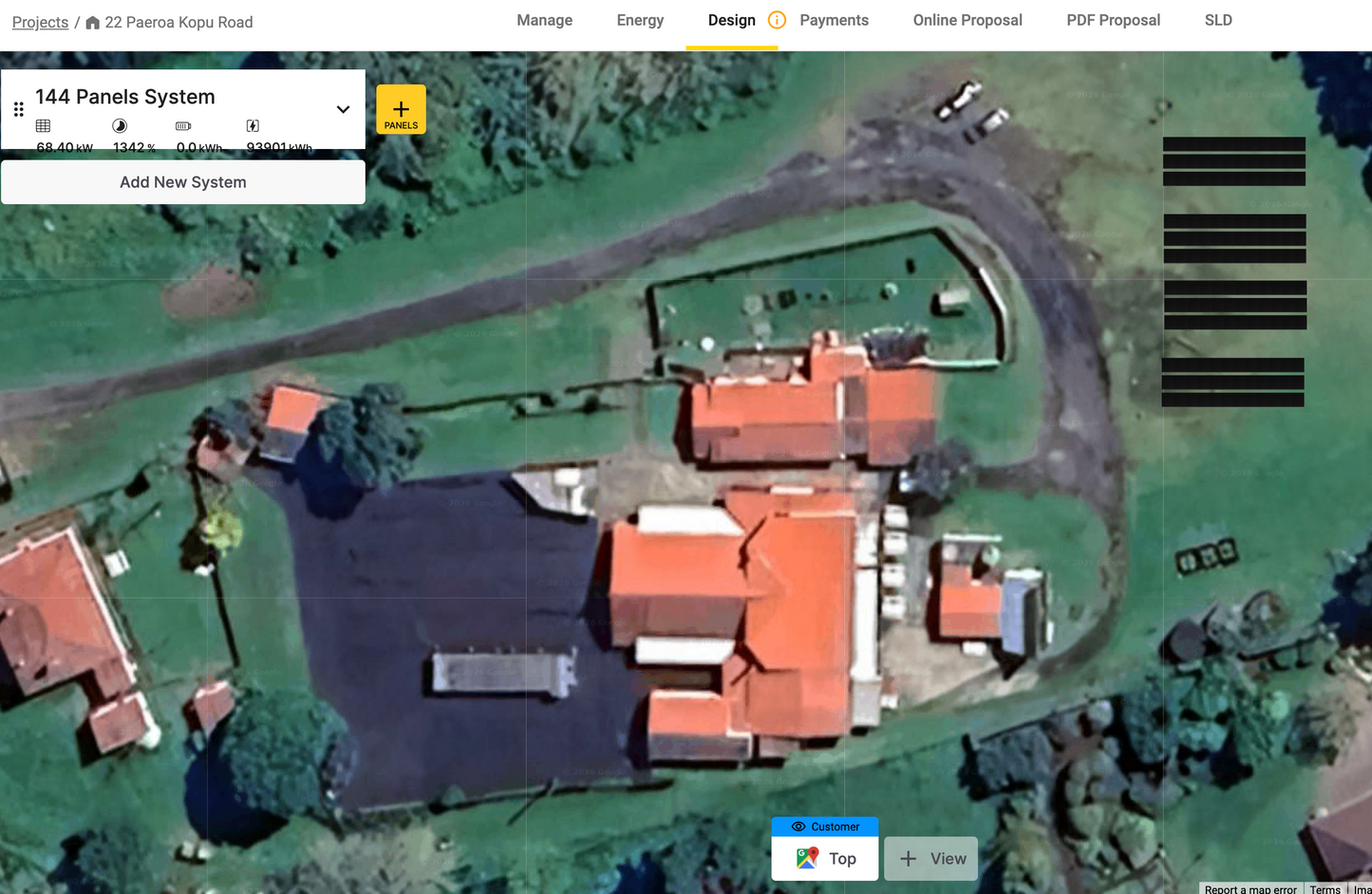
PV 4 IWI: Ngāti Maru Resilience Response Hub
Before:

After:


66kw Panel Array $104,899incl
100kw Inverter $114,500incl
100kw Battery $125,377incl
Price not accurate and subject to final site visit
Modular battery estimate $225,833 incl
Storage solution $16,877incl
Water harvesting $58,999
The Ngāti Maru Resilience Response Hub is a proposed solar and battery system designed to help the iwi respond quickly during emergencies, power outages, storms, floods and civil defence events.
The hub would use solar PV and battery storage to keep essential power available at a central iwi or marae site. From there, portable modular batteries could be charged and deployed to whānau, kaumātua, vulnerable households and community response points when power is needed most.
Core purpose
To create a local, iwi-led response system that can in conjunction with PSH PV:
- Generate resources ie Power and Water locally
- Store power safely
- Charge portable battery units
- Deploy power into the community
- Support whānau during outages
- Keep communications, lighting, refrigeration and essential devices running
- Strengthen emergency readiness before disasters happen
How it works
A selected Ngāti Maru site becomes the main resilience hub.
Solar panels generate power during the day.
Battery storage holds power for night use and outages.
Portable batteries are charged at the hub.
During an emergency, those batteries can be sent out quickly to where they are needed.
This means power is not stuck in one place. It can move with the response.
Tamariki and rangatahi pathway
This project is not just about installing solar and batteries. It is also about teaching tamariki and rangatahi how resilience works in real life.
Through the Ngāti Maru Resilience Response Hub, young people could learn how solar power is created, how batteries are charged and deployed, and how to support whānau during emergencies. They could be involved in checking equipment, helping organise response kits, learning communication systems, and understanding how to serve their community with confidence and care.
This creates a practical pathway for tamariki and rangatahi to grow personally by building:
- Leadership
- Responsibility
- Confidence
- Technical knowledge
- Teamwork
- Accountability
- Pride in their iwi and community
- Real-world emergency response skills
By involving tamariki early, the hub becomes more than a response system. It becomes a place where the next generation can learn, contribute, lead and carry resilience forward.
Who it supports
The system could support:
- Kaumātua
- Whānau with medical needs
- Marae operations
- Emergency shelters
- Community kitchens
- Phone and radio charging
- Refrigeration for kai and medicine
- Local response teams
- Cut-off or isolated homes